


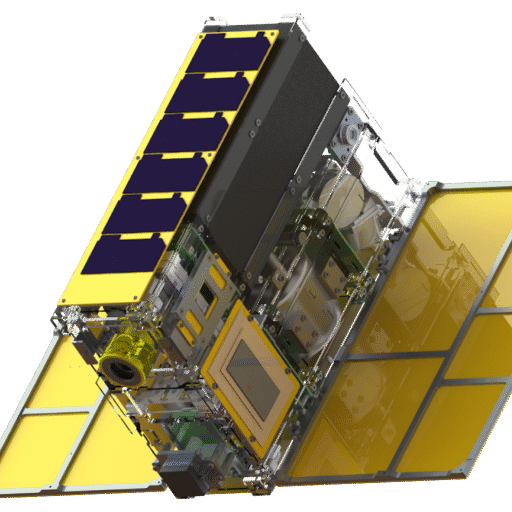
LISSA
The “Little Innovator” (LI) bus is being developed as STARLabs 6U cubesat standard, capable of housing larger, more power hungry payloads than the 3U Iris CubeSat design. On-board thrusters provide some orbital control, allowing for more complex missions if desired. LI bus will incorporate many of the successful design aspects of previous 3U projects while tackling new ADCS and structure design challenges.
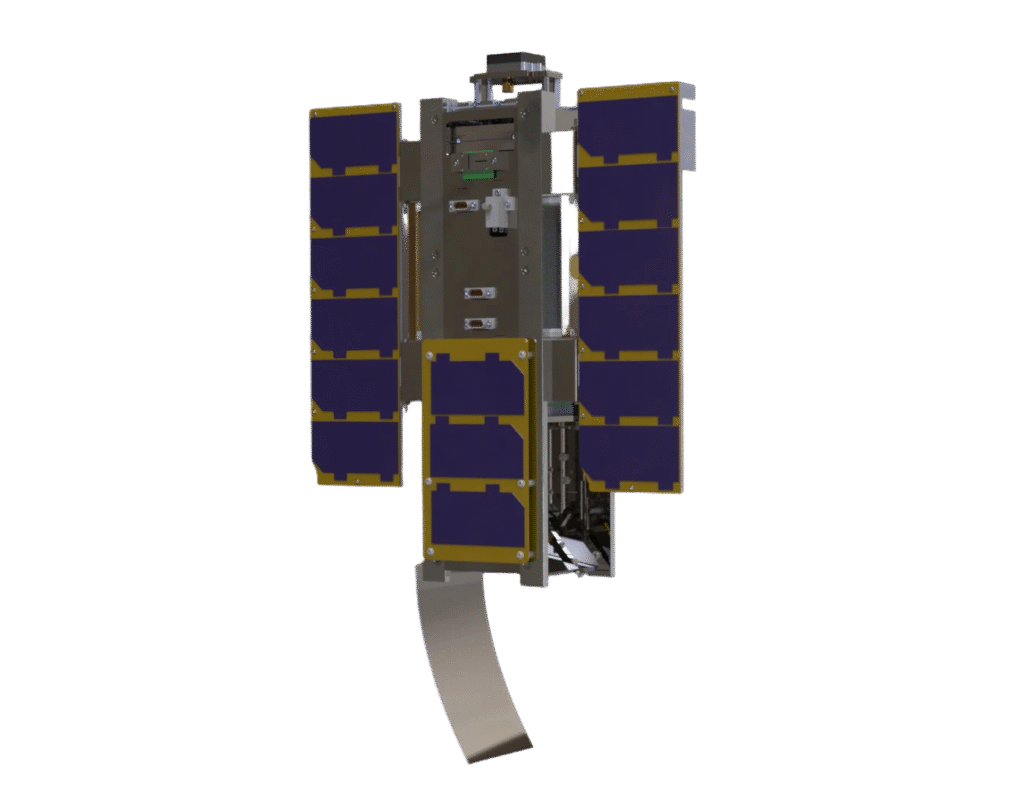
ARCTICSAT
ArcticSat is a 3U CubeSat that will carry as its payload a large deployable radar antenna. The systems engineering approach and satellite bus design will borrow heavily from the success of the Iris project, but with a different payload and mission.
Aiming for a polar, sun-synchronous orbit, ArcticSat’s mission is to scan areas of northern Canada with its antenna to determine the amount of area covered by sea ice. This may not only help determine the effects of climate change in Canada’s Arctic regions, but also provide timely information about ice safety conditions to local Indigenous and Inuit communities.
The ArcticSat project is in collaboration with Dr. Dustin Isleifson and Dr. Dorthe Dahl-Jensen of the University of Manitoba, and Dr. John Yackel of the University of Calgary, as well as the community of Chesterfield Inlet, Nunavut. Some returning collaborators from the Iris project include Magellan Aerospace and the Interlake School Division. ArcticSat is part of the Canadian Space Agency’s CubeSats Initiative in Canada for STEM (CUBICS) program.